Rail and port infrastructure remain decisive for how well the Middle Corridor performs, and the investments now under way in Georgia are aimed squarely at removing bottlenecks and adding capacity. Over the past year the country has completed a major railway upgrade, secured new World Bank financing and moved ahead with work at both Poti and Anaklia.
These projects do not stand alone. Along the route from China to Europe, governments and development lenders have committed several billion dollars to ports, locomotives and new rail lines, from the Caspian to the Bosphorus. This article summarises the main developments and what they mean for demand for logistics assets in Georgia.
Recent infrastructure developments in Georgia
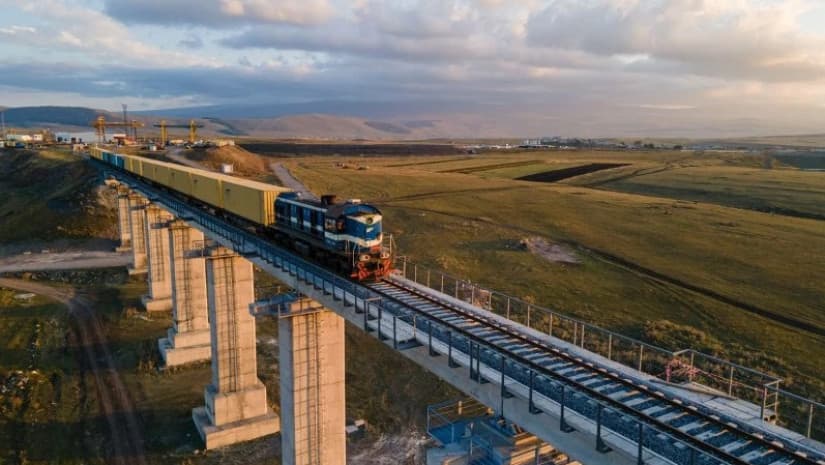
- Georgian Railway Modernization Project. Completed in December 2025, the project raised the estimated annual capacity of Georgia's main railway line from 27 million to 48 million tonnes, according to the International Railway Journal.
- TC-GATE Project. The World Bank reports that in June 2026 Georgia signed a $372 million loan agreement with the bank. The financing covers railway rolling stock, power infrastructure, selected road upgrades and institutional improvements along Georgia's section of the Middle Corridor.
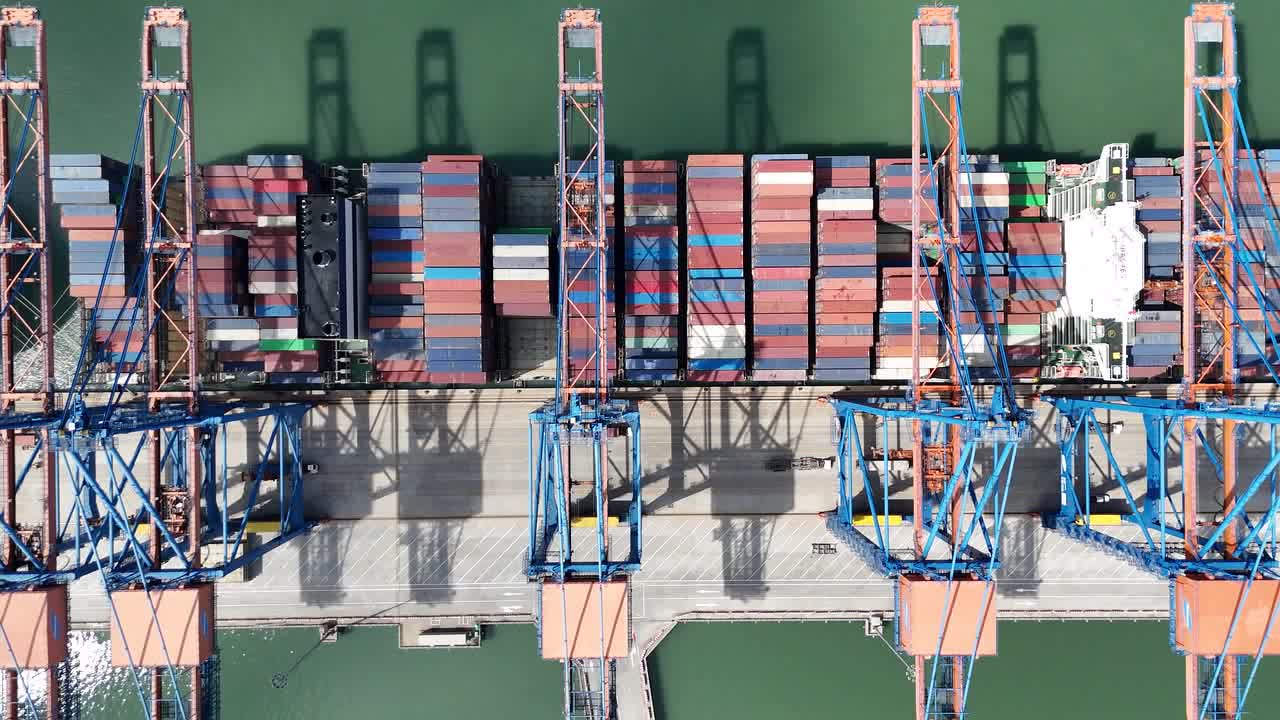
- Poti New Seaport, Phase II. Construction of a new berth began in 2026 as part of a $40 million expansion backed by U.S. support through the International Development Finance Corporation (DFC), with Pace International as operating partner. DFWatch reports that the expansion is expected to lift the port's annual throughput capacity to 3 million tonnes.
- Anaklia Deep Sea Port. Preparatory marine infrastructure works advanced in 2026, Dredging Today reports, including construction of the planned 1,380-metre breakwater and dredging of the seabed to a depth of 17.5 metres.
Major investments along the wider corridor
- Azerbaijan: Port of Baku (Alat) expansion. According to the Jamestown Foundation, second-phase works are raising the Caspian port's annual capacity from 15 million to 25 million tonnes and up to 500,000 TEU.
- Kazakhstan: Wabtec–KTZ locomotive order. In September 2025 Kazakhstan Temir Zholy signed a $4.2 billion agreement with Wabtec for 300 Evolution Series locomotives to renew rolling stock along the corridor, as announced by Wabtec Corporation.
- China–Kyrgyzstan–Uzbekistan (CKU) railway. In December 2025 the joint venture financing the CKU railway signed a $4.7 billion loan agreement, with China providing roughly $2.3 billion. The Jamestown Foundation reports that the 523-kilometre line is projected to carry up to 15 million tonnes a year once completed, around 2028–2030.
- Turkey: Istanbul North Rail Crossing (INRAIL). In 2026 the Asian Infrastructure Investment Bank (AIIB) signed the first phase of a $1.5 billion loan for a 127-kilometre electrified rail line crossing the Bosphorus. The line would close what has been described as the Middle Corridor's last major freight bottleneck between Asia and Europe.
- United States: regional connectivity investment. In July 2026 the U.S. doubled funding for the TRIPP+ Enterprise Fund from $201 million to $402 million, supporting new transport links through the South Caucasus that complement the wider Trans-Caspian Corridor, according to Caucasus Watch.
How the pieces fit together
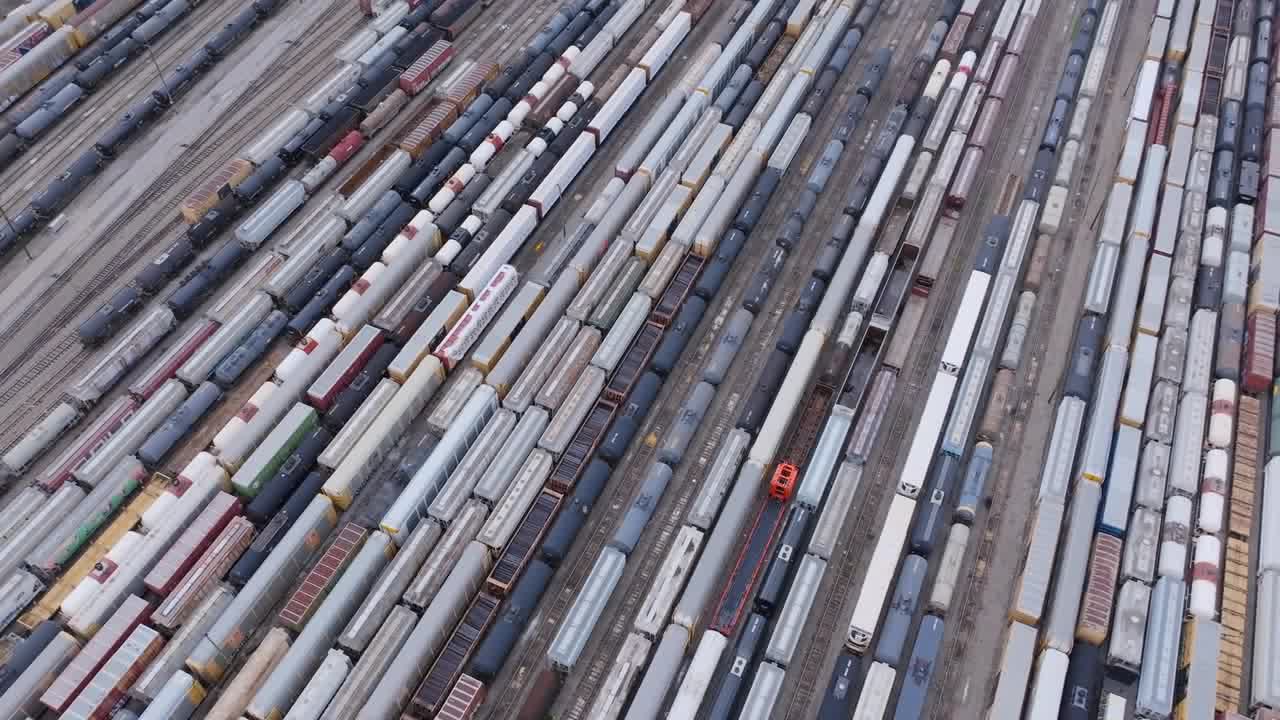
The upstream projects point to more cargo arriving at Georgia's eastern border. More locomotives in Kazakhstan, a new rail link through Central Asia and a larger port at Alat all expand the volume that can reach the Caucasus, while a Bosphorus crossing improves onward connections to Europe by land. Georgia's own upgrades address its section of the chain: a main line that can now carry up to 48 million tonnes a year, new rolling stock and power infrastructure under TC-GATE, and additional berth capacity on the Black Sea coast.
What it means for investors
For investors, the practical implication is that capacity is being added on both sides of Georgia at the same time as the country lifts its own rail throughput. Assets that convert that throughput into handled cargo, such as port terminals, rail-connected industrial land near Poti and inland warehousing, stand to benefit most directly if volumes follow. Timelines deserve careful attention: several projects, including the CKU railway and Anaklia, remain at construction or preparatory stages, so underwriting should rest on committed capacity rather than headline ambitions.
Sources: International Railway Journal; World Bank; DFWatch; Dredging Today; Jamestown Foundation; Wabtec Corporation; Asian Infrastructure Investment Bank; Caucasus Watch.