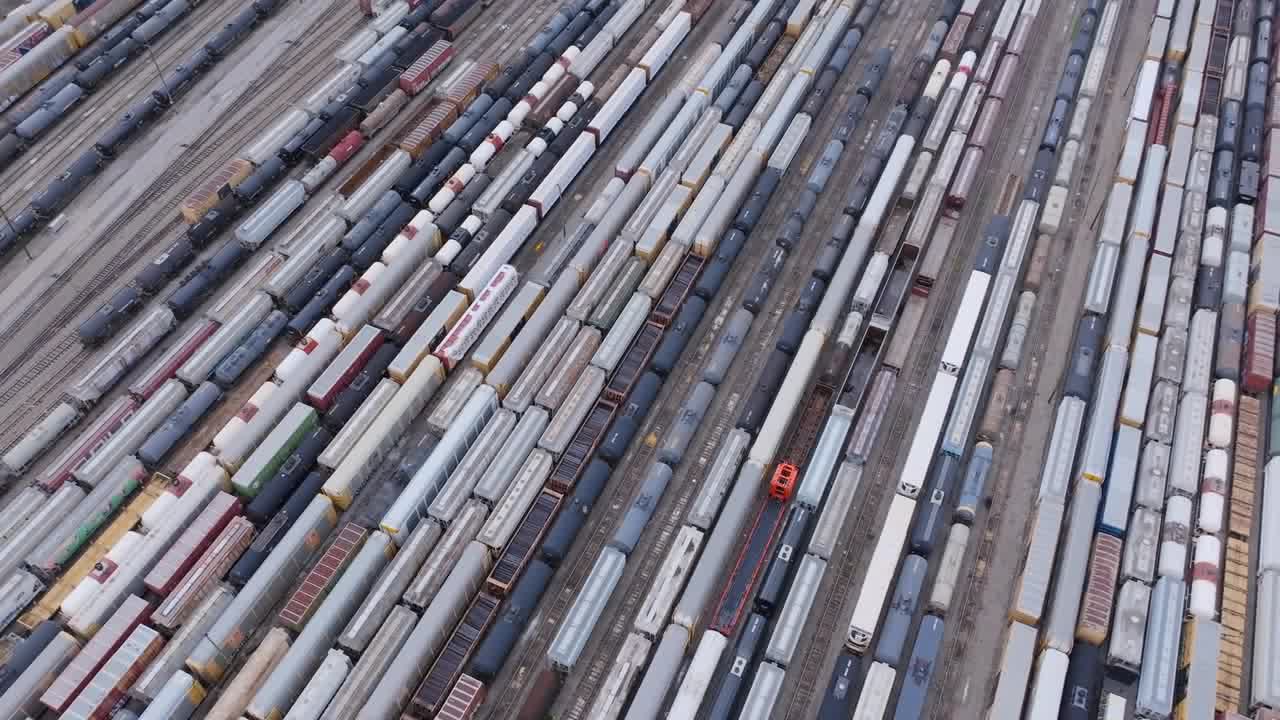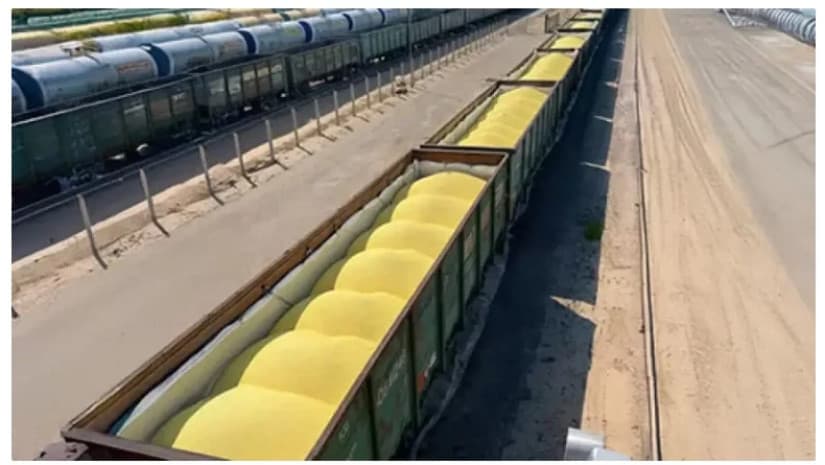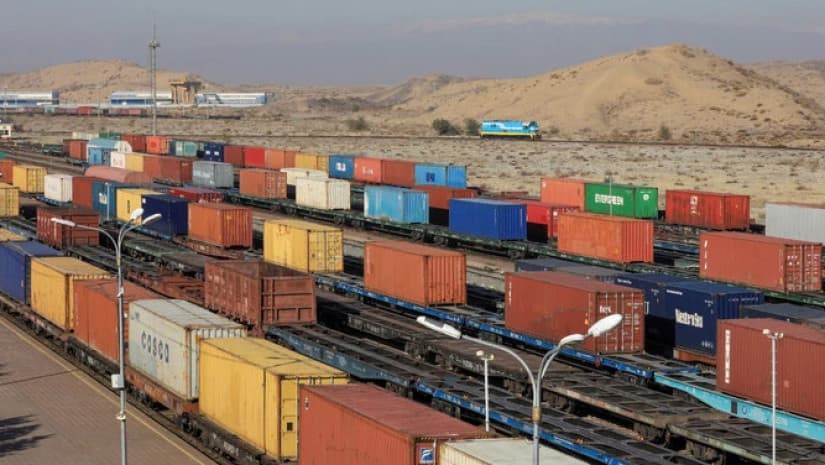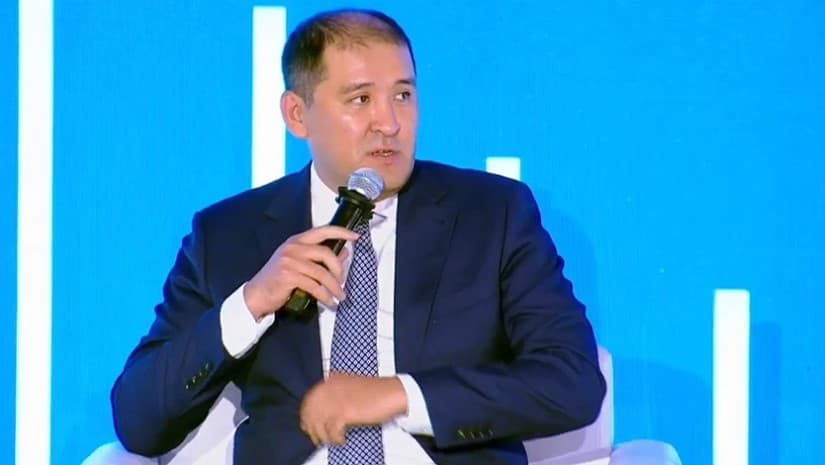
The Middle Corridor must operate as one unified system that works like a single instrument, Kazakhstan's Deputy Minister of Transport, Zhanibek Taizhanov, told the Georgia International Maritime Forum. He added that China has promised to form up to 3,000 trains a year for the route, and that Kazakhstan is ready to handle them.
Speaking on the panel "From seas to corridors: the new geography of global trade", Taizhanov outlined the steps Kazakhstan is taking to develop the Trans-Caspian International Transport Route.
A joint venture and common tariffs
According to the deputy minister, Kazakhstan, Azerbaijan and Georgia have already established a joint venture, "Middle Corridor", dedicated to the operation of the route. Through this joint venture, shipping tariffs have been set, and work is under way to fix them over the long term.
Kazakhstan has also launched a container shuttle running from China to the Caspian Sea, which operates three trips a week.
Digitalising the border
A further strand of work is the digitalisation of the corridor. Taizhanov said that the introduction of the Digital Trade Corridor programme has cut the time needed to process a transit declaration from 8 hours to 30 minutes.
Rail, roads and a Caspian hub
Taizhanov said large-scale infrastructure projects are actively under way in Kazakhstan. He described railway projects covering 5,000 kilometres that are being completed, together with planned modernisation of the road network.
Major works are also being carried out to create a Caspian Sea hub, where partners from China are building a large terminal. The ports of Aktau and Kuryk are being developed and their seabed deepened: the works carried out at Aktau last year will take place at Kuryk this year. By 2028, Kazakhstan plans to expand its fleet by 8 vessels with the addition of new ships.
Infrastructure is not enough
Taizhanov stressed that infrastructure alone is not sufficient. The next stage, he said, is to achieve corresponding results, which requires the whole system to be unified and to work as a single instrument.
He singled out the importance of China. Kazakhstan has agreements and arrangements with the People's Republic of China under which China promises to form up to 3,000 trains annually, and Kazakhstan is prepared to move those trains through, he said.
What it means for investors
Kazakhstan's message is that the corridor's bottleneck is shifting from physical capacity to coordination: harmonised tariffs, faster customs processing and scheduled services. If a meaningful share of up to 3,000 China-origin trains a year is routed across the Caspian, the volume ultimately has to be handled on the Georgian leg, through rail links and Black Sea ports.
For investors, that places a premium on Georgian assets that sit directly on the flow: rail-connected land, terminal capacity and warehousing able to consolidate and transload corridor cargo. The pace at which cross-border tariff fixing and digital clearance are extended along the full route will be a key variable to monitor when assessing throughput assumptions for such assets.
Source: BM.ge, 7 September 2026.