Kazakhstan and Azerbaijan plan to set up a joint intermodal terminal and a new trans-Caspian ferry system called the Caspian Bridge, according to Kazakhstan's sovereign wealth fund Samruk-Kazyna.
Two agreements between the national railways
Kazakhstan Temir Zholy (KTZ), Kazakhstan's national railway company, and Azerbaijan Railways signed two documents:
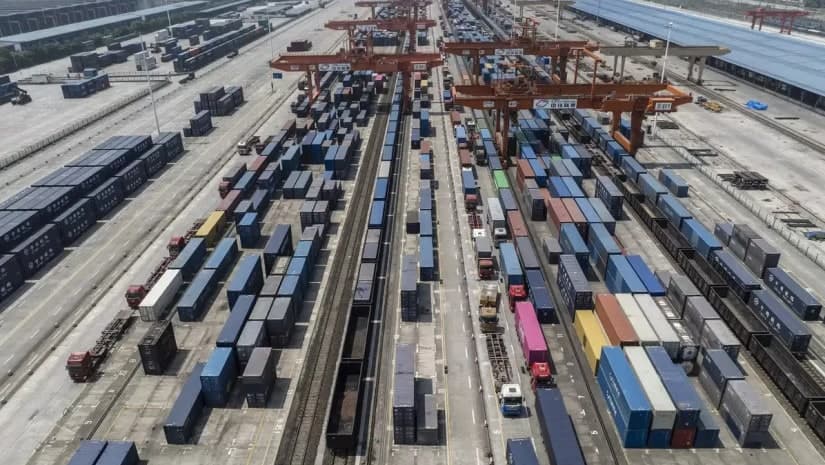
- Letter of intent: sets the main terms for a joint venture and an intermodal cargo terminal. The project's main goal is to develop container and other cargo traffic, with priority given to the Trans-Caspian International Transport Route.
- Cooperation agreement: covers the creation of the Caspian Bridge, a new trans-Caspian ferry system.
New ships for the Caspian
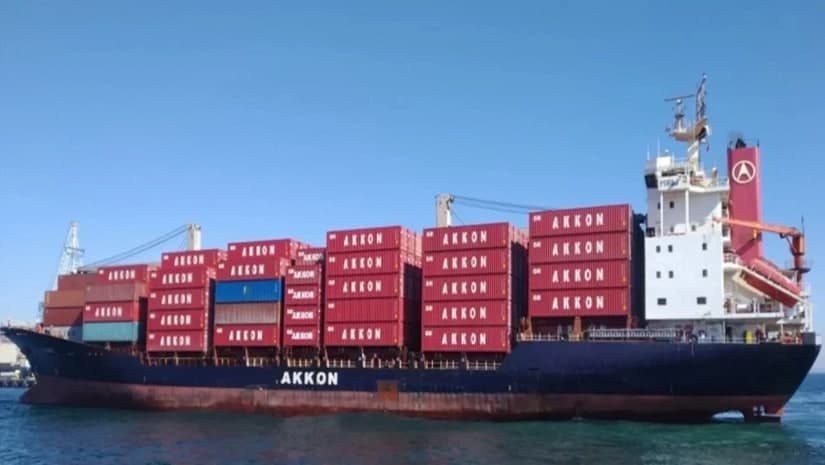
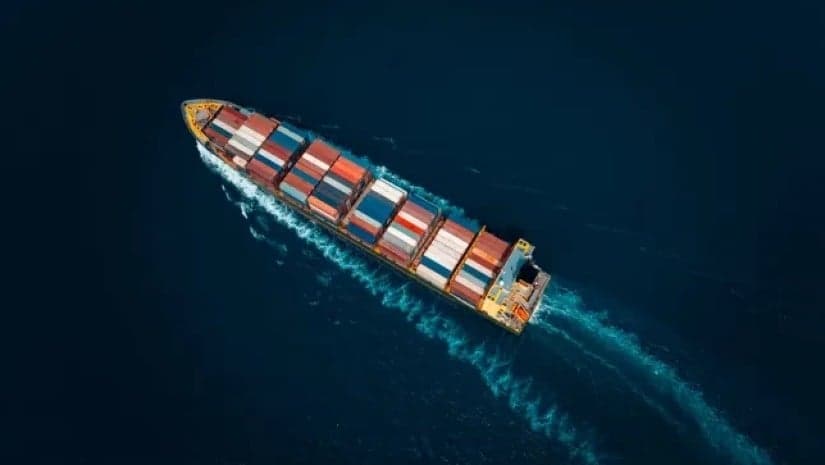
The agreements build on an earlier step. On 15 October, during Kazakh President Kassym-Jomart Tokayev's visit to Baku, the two sides exchanged documents for the construction of two multipurpose dry cargo ships for KTZ Express Shipping, a KTZ subsidiary. The ships will be built at the Baku shipyard and will operate on the trans-Caspian route.
By 2028 Kazakhstan expects a total of eight new container ships: four to be built in Baku and four in China.
What it means for investors
The Trans-Caspian route, often called the Middle Corridor, carries cargo from China and Central Asia across the Caspian Sea to Azerbaijan, then by rail through Georgia to the Black Sea ports and on to Turkey and Europe. A shortage of ferries and vessels on the Caspian crossing is widely seen as one of the route's bottlenecks, so more ferry and container capacity there means more cargo can reach Georgia's rail network and ports.
For Georgia the effect is indirect but real: cargo that crosses the Caspian more reliably has to be handled, stored and transhipped further west, at rail terminals, logistics parks and the ports of Poti and Batumi. The timeline matters, though. The new ships are due by 2028, and the joint venture and terminal have so far been agreed only at letter-of-intent level, so investors should watch when the vessels enter service and how volumes on the corridor respond.
Source: Samruk-Kazyna, via BM.ge, 2 November 2026.