Georgia's foreign trade in goods reached USD 20,535.3 million in January–September 2026, 9.2% more than in the same period of 2025, according to data published by the National Statistics Office of Georgia (Geostat). The figures exclude non-declared trade.
Exports grew considerably faster than imports. Exports totalled USD 6,153.2 million, up 19.6% year on year, while imports reached USD 14,382.0 million, up 5.3%.
A narrower trade deficit
Georgia's negative trade balance stood at USD 8,228.8 million, equal to 40.1% of total turnover. Based on the reported growth rates, the deficit is roughly USD 285 million smaller than in January–September 2025: exports added about USD 1.0 billion over the year, while imports rose by about USD 0.7 billion. Exports now cover about 43% of imports.
Main trading partners
The ten largest export destinations accounted for 67.8% of Georgia's total exports. The top three were:
- Kyrgyzstan: USD 650.2 million
- China: USD 583.1 million
- Azerbaijan: USD 566.7 million
On the import side, the ten largest partner countries accounted for 69.2% of the total. The top three were:
- Turkey: USD 2,187.7 million
- China: USD 1,746.1 million
- United States: USD 1,716.3 million
China is the only country in the top three on both sides, with combined trade of about USD 2.3 billion over the nine months.
What Georgia exports
Motor cars were the largest export commodity group at USD 1,529.3 million, or 24.9% of total exports. Petroleum and petroleum products followed with USD 811.8 million (13.2%), and precious metal ores and concentrates were third with USD 464.0 million (7.5%). Together, these three groups make up 45.6% of Georgia's exports.
What it means for investors
Much of Georgia's vehicle trade is re-export: cars are imported, many of them from the United States, and shipped on to buyers in Central Asia and the South Caucasus. Kyrgyzstan's position at the top of the export table is consistent with that pattern, and it underlines Georgia's role as a transit and redistribution point as well as a producer.
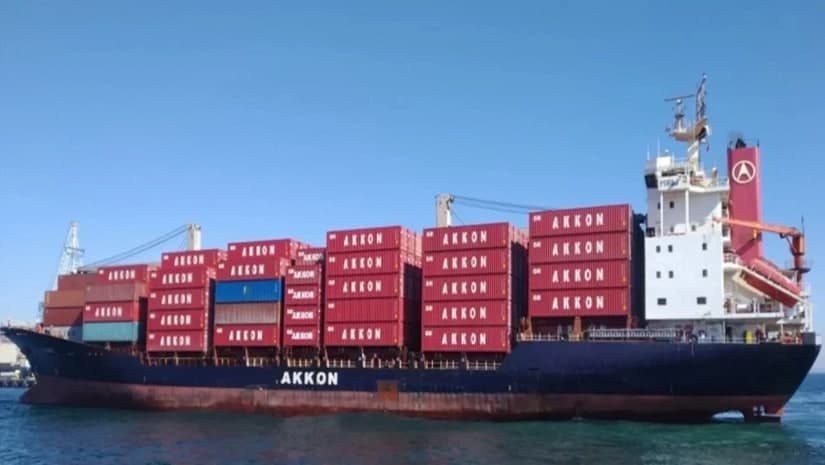
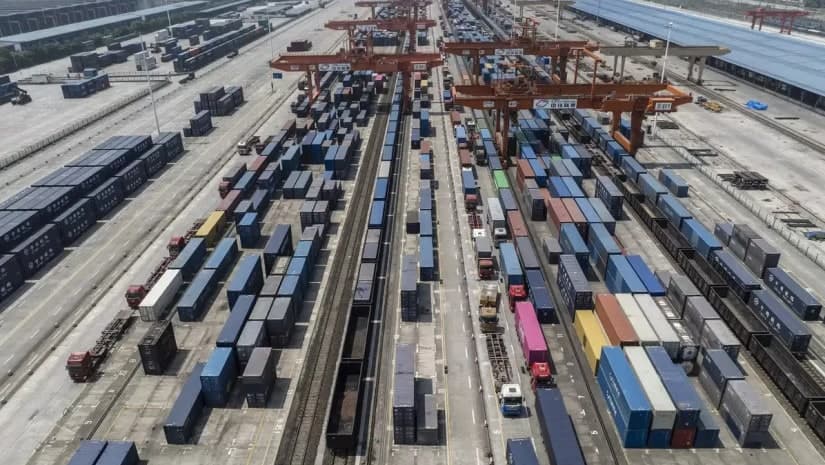
For real-asset investors, this trade is physical and handling-intensive. Vehicles, containers and bulk cargo pass through the Black Sea ports, customs zones, rail terminals and storage yards before leaving the country, so faster export growth feeds directly into demand for port capacity, customs-zone space and warehousing along the Poti–Tbilisi route and around the capital. With exports growing almost four times faster than imports, cargo flows are also becoming more balanced, which supports the utilisation of transport and logistics assets.
The concentration of trade is worth noting too. Ten countries take two-thirds of exports, and three commodity groups account for almost half of the total, so the headline growth is sensitive to vehicle re-exports and commodity markets. Investors assessing logistics and industrial property should look at which flows a specific site serves, rather than relying on the aggregate figures alone.
Source: Geostat, via Commersant.ge, 19 October 2026.